
Yule: Ancient Festival and the Roots of Christmas
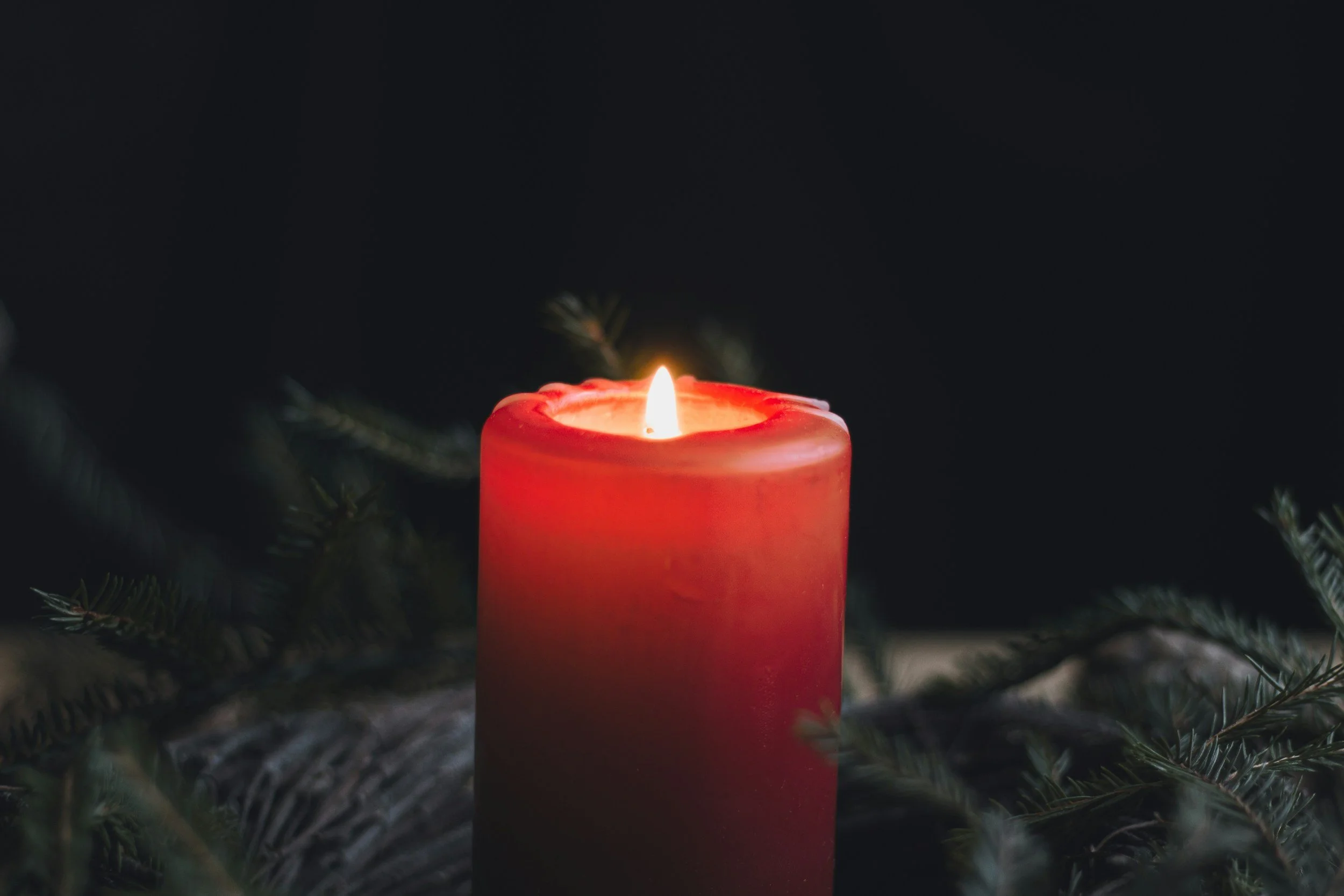
Yule is one of the oldest winter festivals in Europe, rooted in Germanic and Norse celebrations of the winter solstice—the longest night of the year, when the sun begins its slow return. For early communities, this was a sacred time of reflection, protection, and renewal. Families gathered to honor ancestors, share feasts, and light fires, while evergreens—holly, pine, and ivy—were brought indoors as symbols of life enduring through the dark season. The great Yule log burned as a beacon of warmth, hope, and the promise of brighter days ahead.
In Scandinavian traditions, Yule held rich spiritual significance. The Yule Boar (Jólakötturinn or Jólfar) symbolized fertility, prosperity, and protection, and honoring the boar was believed to ensure abundance in the coming year. The goddess Frigg, Odin’s wife and queen of the Aesir, presided over the hearth, home, and family, and during Yule, she was invoked to bless households with warmth, safety, and domestic harmony. Odin himself led the Wild Hunt, riding across the winter skies with ancestral spirits. Families decorated homes with evergreens, mistletoe, and candles, celebrating the cycles of nature and the returning light.
Scandinavian winter traditions also include Lucia Day (December 13th), celebrated in Norway and Sweden. Young girls dress in white robes with red sashes, and the Lucia Queen wears a crown of candles. Processions of children carrying candles move through homes, schools, and churches, singing songs of light to honor Saint Lucia. This festival celebrates hope and illumination, reflecting the same themes as ancient solstice rituals and bringing light to the darkest time of the year.
In Eastern Europe, Slavic tales introduced the mysterious Baba Yaga, a forest-dwelling witch and guardian of thresholds. She embodies the balance of life and death, endings and beginnings, reminding communities that transformation and renewal often require courage and respect for the unknown. Baba Yaga’s winter stories highlight the magical, liminal qualities of Yule, reinforcing the season’s themes of reflection, protection, and spiritual growth.
As Christianity spread through Europe, many Yule customs blended with the emerging celebration of Christmas. Missionaries aligned the birth of Christ with the winter solstice, allowing pagan traditions to merge with Christian symbolism. By the 4th century, December 25th became the official celebration of Christ’s birth. Many Yule customs—evergreens, candles, feasting, gift-giving—were absorbed into the holiday, preserving familiar practices while embracing Christian theology.
The figure of Saint Nicholas, a 4th-century bishop from Myra (modern-day Demre, Turkey), further shaped winter celebrations. Known for his generosity and protection of children, Saint Nicholas inspired European gift-giving traditions. In the Low Countries, he became Sinterklaas, riding a white horse and leaving presents in children’s shoes—a precursor to modern Santa Claus. In Italy, particularly Bari, he is celebrated with processions and community gatherings on December 6th, and over time, local folklore such as La Befana, a kindly witch who delivers treats on Epiphany, blended with these Christian and older seasonal traditions.
Modern Scandinavia preserves many Yule-inspired customs. Families honor the Yule log, decorate with evergreens, and celebrate with feasts, while venerating symbols such as the Yule Boar and Yule Goat (Julbock). Frigg is invoked to bless homes and hearths with warmth, safety, and harmony. Lucia processions illuminate the long winter nights with song, candles, and hope. Across the Northern Hemisphere, modern pagans, witches, and spiritual practitioners celebrate Yule as a season of reflection, renewal, and the returning light, honoring the turning of the wheel of the year.
Across the world—from Turkey and Italy to Scandinavia, China’s Dongzhi, and Japan’s Toji—winter celebrations share enduring themes: the triumph of light over darkness, the renewal of life, and the strength found in family and community. Whether through a glowing fire, a shared meal, a candlelit procession, or the retelling of ancient stories, the spirit of Yule endures, inspiring hope, joy, and connection during the darkest season.
A Yule Blessing from Omnia
As the longest night gives way to dawn,
may the returning light wrap gently around you.
May your home be warm, your spirit renewed,
and your path blessed with clarity and peace.
May the ancestors watch over you,
the old stories inspire you,
and the turning of the wheel open new doors.
From Omnia to you and yours—
may your Yule be bright,
your heart be hopeful,
and your days grow lighter with every sunrise.
